
 Awarded byWoolf University
Doctorate in Educational Leadership
A doctorate from Woolf, Malta — leading educational change and innovation, evidenced by original doctoral research.
Program Overview
The Doctorate in Educational Leadership is a rigorous, research-driven program designed to shape scholar-practitioners capable of making impactful contributions to the field. Structured across three key phases, Advanced Research Planning and Methodology, Research Development and Progress Review, and Thesis Completion and Viva Voce, the program takes candidates from initial research design to final dissertation defense. Each phase represents a critical academic milestone, with flexible timelines tailored to individual research needs. Though equally weighted, the duration of each phase may vary. The program maintains EQF Level 8 standards and requires a minimum of three years to ensure depth, originality, and academic excellence.
Who is it for?
- Experienced educators deepening their expertise
- Academic leaders driving institutional improvement
- Education professionals with senior management experience
- Master's graduates pursuing applied doctoral research
What each module covers
Expand any module to read its description and intended learning outcomes.
Year One: Advanced Research Planning and Methodology
Module Description
This module is designed to empower students to contribute new knowledge to the field of education and technology, with a focus on specialized areas such as behaviour, classroom training, AI in education, EdTech, leadership in education and education management. By completing this module, students will be prepared to conduct original and publishable research in their chosen field, a vital component of subsequent modules aimed at advancing the state of knowledge. The aim of this module is the achievement of a well-crafted Research Plan, which will guide students on their journey to undertake substantial and sustained research at the EQF 8 level. The module begins with a selection of topics suitable for students embarking on a research thesis in educational research. These might include:
Module Description
This course will enhance participants’ understanding of the research process. Participants will critically explore research approaches, language, and ethics. The course will take a step-by-step approach to develop students’ knowledge, skills and understanding of design and implementation of quantitative and qualitative research designs, including Cross-sectional surveys, cohort studies, Randomized Controlled Trials, and operational study designs, which include quasi-experiments and Cluster Randomized Controlled Trials. The course will equip students with the skills necessary to conduct secondary research designs, including scoping and systematic reviews. The course will also help students develop the skills to recognize and reflect on the strengths and limitations of different research methodologies and address ethical and practical issues in research. Further, the student will be equipped with the ability to methodologically review and derive meaning from published research work for application in professional practice and growth.
Learning Outcomes
At the end of the module, the students should be able to:
- LO1Identify and describe different quantitative study designs, describe the key elements and weaknesses and strengths associated with each approach, and application of quantitative research in professional Practice.
- LO2To understand Qualitative Research approaches and their application including qualitative data collection, analysis, and reporting methods.
- LO3To understand secondary research design and application methods including Scoping and Systematic reviews approaches, and how different research designs can be combined in a mixed method study approach.
- LO4To understand the concept of research quality assurance and its application in research integrity and ethical principles and application of validity and reliability principles in research.
Module Description
This course explores advanced concepts in educational leadership and management, focusing on the application of diverse leadership theories to address complex challenges in educational settings. Students will critically analyze and evaluate various leadership models, learning to apply them to improve policy and practice across different educational contexts. Emphasis will be placed on reviewing contemporary research and evidence-based practices related to leading and managing teams effectively, ensuring that students develop the skills to inspire and guide diverse groups of educators. The course also delves into strategic management frameworks, providing students with the tools to enhance organizational effectiveness, optimize resource allocation, and support sustainable growth within educational institutions. Additionally, students will explore collaborative leadership strategies, learning to engage stakeholders effectively and build strong partnerships that foster a shared vision, mutual accountability, and long-term improvements in educational outcomes. Through case studies, practical applications, and critical discussions, this course prepares students to lead educational organizations with a focus on equity, collaboration, and continuous development.
Learning Outcomes
At the end of the module, the students should be able to:
- LO1Critically analyze and evaluate diverse leadership theories and apply them to address complex challenges and improve policy and practice in varied educational settings.
- LO2Critically review research and evidence-based practices related to effective leading and managing of people and teams in educational settings.
- LO3Develop and implement strategic management frameworks to enhance organizational effectiveness, improve resource allocation, and drive sustainable growth in educational institutions.
- LO4Develop and apply collaborative strategies to engage diverse stakeholders, fostering partnerships that promote shared vision, mutual accountability, and sustainable improvements in educational organizations.
Module Description
This course explores the theory and practice of educational change and innovation, providing students with the tools to critically analyze, apply, and lead transformation within diverse educational contexts. Students will examine key theories, models, and frameworks related to educational change, learning how to design strategies that foster effective transformation and continuous improvement. Emphasis will be placed on understanding the challenges associated with leading and managing organizational change and ensuring the sustainability of change initiatives. The course also covers the development and implementation of strategic plans that promote innovation, address challenges, and advance the goals of educational organizations. Through collaborative leadership strategies, students will learn to effectively manage change and innovation, ensuring that initiatives are inclusive, sustainable, and impactful across diverse educational settings.
Learning Outcomes
At the end of the module, the students should be able to:
- LO1Critically analyze and apply key theories, models, and frameworks of educational change and innovation to design strategies for effective transformation in diverse educational contexts
- LO2Critically evaluate the impact of change initiatives and challenges associated with leading and managing organizational change to ensure sustainability of change initiatives
- LO3Develop and implement strategic plans that foster innovation, promote continuous improvement, and address challenges within educational organizations using innovative strategies
- LO4Exhibit collaborative leadership strategies to effectively manage change and innovation within diverse educational contexts
Module Description
This course explores the intersection of technology, innovation, and educational leadership in the 21st century. Students will critically analyze key theories and frameworks related to technology integration and innovation, applying these concepts to develop effective leadership strategies that foster digital transformation in educational environments. The course emphasizes the design and implementation of strategic plans that leverage emerging technologies to enhance teaching, learning, and organizational efficiency. Students will also explore innovative, data-driven approaches to solving complex challenges in educational leadership while focusing on continuous improvement. Furthermore, the course addresses the ethical implications of technology use in education, emphasizing the importance of digital equity, data privacy, and inclusivity to ensure fair access and opportunities for all learners.
Learning Outcomes
At the end of the module, the students should be able to:
- LO1Analyze key theories and frameworks related to technology integration and innovation in education, and apply them to develop effective leadership strategies for 21st-century learning environments
- LO2Design and implement strategic plans that promote digital transformation, leveraging emerging technologies to enhance teaching, learning, and organizational efficiency in educational settings
- LO3Utilize innovative approaches and data-driven decision-making to solve complex problems in educational leadership, with a focus on technology-enhanced solutions and continuous improvement
- LO4Demonstrate ethical leadership by addressing issues of digital equity, data privacy, and inclusivity, ensuring that technology initiatives promote access and fairness for all learners.
Module Description
This course examines the critical principles of diversity, equity, and inclusion (DEI) in educational settings, providing students with the knowledge and skills to address systemic inequalities and foster inclusive learning environments. Students will explore diverse concepts within the DEI framework, analyzing how educational systems, policies, and practices can either perpetuate or challenge structural inequalities. The course emphasizes transformational leadership in creating equitable environments that promote belonging and celebrate diversity. Students will also learn to design and implement culturally responsive and evidence-based practices aimed at advancing social justice and improving educational outcomes, particularly for historically marginalized communities. By the end of the course, students will be equipped with the tools to become advocates for DEI, driving meaningful change in educational institutions.
Learning Outcomes
At the end of the module, the students should be able to:
- LO1Demonstrate a critical understanding and application of diverse concepts under the diversity, equity, and inclusion framework within educational institutions
- LO2Analyze educational systems, policies, and practices through the lens of diversity, equity, and inclusion (DEI) to identify and address structural inequalities in education
- LO3Demonstrate transformational leadership by creating inclusive, equitable learning environments that celebrate diversity while fostering belonging for all stakeholders
- LO4Design and implement culturally responsive and evidence-based practices that promote social justice and improve educational outcomes for historically marginalized communities
Module Description
The participants in this course will develop a 3000-word research proposal in the field of Humanities and Social Sciences. The participants will be guided to identify a researchable knowledge gap of their interest and analyze and synthesize the knowledge gap into a problem statement. Participants will receive guidance on specific aspects of doing research including literature searching and conducting critical appraisal; referencing and application of relevant computer software in reference management; framing research questions and research objectives; and application of ethical issues in Research. Participants will be capacity build to develop competence in assessing and appraising evidence in published literature, determining the gaps in the evidence and developing a feasible and valid study design that they can apply in their research. Participants will further be guided to develop a full research proposal.
Learning Outcomes
At the end of the module, the students should be able to:
- LO1Identifying a relevant and suitable knowledge gap and developing structured research questions to address the knowledge gap.
- LO2Write a literature review to identify existing evidence and knowledge gaps associated with the research problem of interest.
- LO3Develop a well-structured research protocol/proposal with clear timelines and relevant study methods that comply with the universal principles of research ethics principles.
Year Two: Research Development and Progress Review
Module Description
The module on Research Development and Progress Review helps a student who has just completed the ‘Research Plan’ to undertake a cadence of supervised, original research leading to a substantial portion of their research thesis being completed (2-4 chapters or equivalent). This module operationalizes the work agreement made in the previous one. Although students may request twice-weekly meetings early in the writing process, it is expected (and students typically prefer) not to meet more than twice per month thereafter. This allows the student time to develop their independent research and writing. As the student advances in independence and confidence in their research, and under the discretion of their supervisor, they may reduce their supervisory meetings to 1 time per month (not inclusive of ‘Work in Progress’ seminars). Under the supervision of their supervisor, and through regular submissions and synchronous feedback sessions, students hone and strengthen their ability to conduct innovative, original research at the very forefront of an academic discipline. While the focus of year one was on preparing the ‘Research Proposal’, the focus of year two is on the actual work of research, whether that be in the library, working with datasets, developing data management plans, ethical approval, conducting interviews or surveys, or deep reading in the scholarship on a chosen topic, producing extensive notes and questions, and rough drafts of chapters or thesis sections. In addition to direct intervention on the student’s work, faculty contributions might include exploring innovative new research methods, research integrity, or, where relevant, implications for policy and other applications. In addition, supervisors in year two will facilitate the student’s participation in the broader scholarly community, whether through presenting in the ‘Work in Progress’ seminar for graduate students and scholars, or through encouraging them to participate in doctoral colloquiums/conferences at which students may annually present their research and have it peer-reviewed in annual colloquium.
Year Three: The Thesis
Module Description
Entering the third year of doctoral studies, students will have a well-defined research topic, a clear structure to organise their proposed research, a firm grasp of the relevant literature, a practical timeline in which to conduct their research, and a substantial body of drafted thesis chapters or sections (equivalent to 2-4 chapters). In this module, the aims of the methodology module are fulfilled and the research of the past two years is brought into one overarching argument. The exact length of the thesis will vary by method and discipline, but ordinarily will not exceed 80,00 words, exclusive of bibliography but including appendices, notes, tables, and so forth. The thesis will constitute a substantial, original, independent piece of research, which is clearly articulated in relation to the primary evidence and secondary literature, and which is organised in relation to the plan first envisaged in the methodology module. Regular supervision meetings keep the student on-course with the timeline agreed in the methodology module. Supervisory meetings concentrate on a pre-submitted piece of research in a pattern that continues until the first draft of the thesis is complete. Although students may request twice-weekly meetings early in the writing process in module two, it is expected (and students typically prefer) not to meet more than once or twice per month by this stage of the thesis. This allows the student time to develop their independent research and writing. All full-time students must meet with their supervisor at least once per month. After the completion of the first draft, meetings focus on the harmonisation of the parts, adjustments to the overall argument, and the supervisor seeks to ensure that the student guides the thesis with a single, coherent line of enquiry. The final meetings with the student focus on polishing the editorial aspects of the thesis, and helping the student prepare for examination. While there is not a formal requirement that a piece of the thesis will have been published already, the thesis should contain publishable work, and the student should graduate with a clear plan of revision toward publication (e.g., a series of articles, direct publication, or recasting the argument as a book for a more general audience).
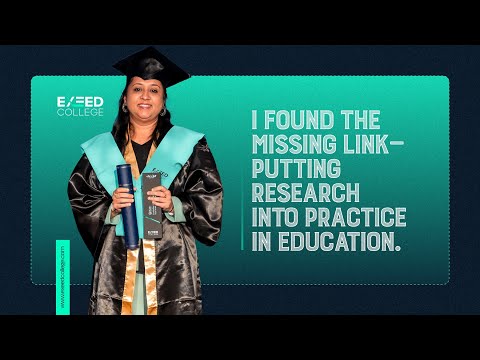
Hear from our graduates
Educators who took this path, in their own words.
 Doctorate
 Jamaica → UAE
 Doctorate
 Singapore
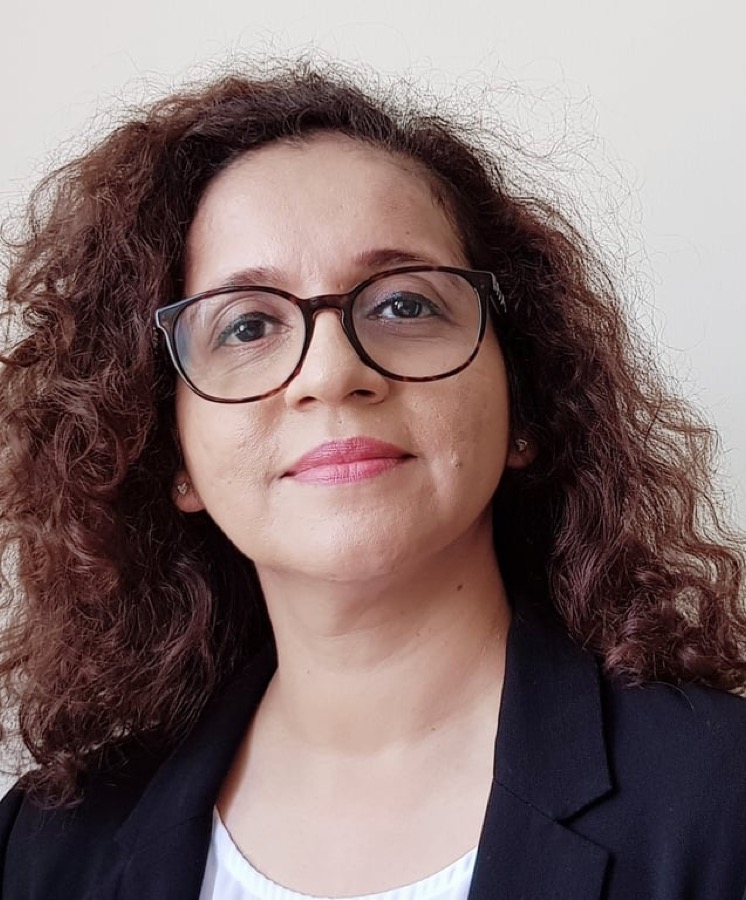
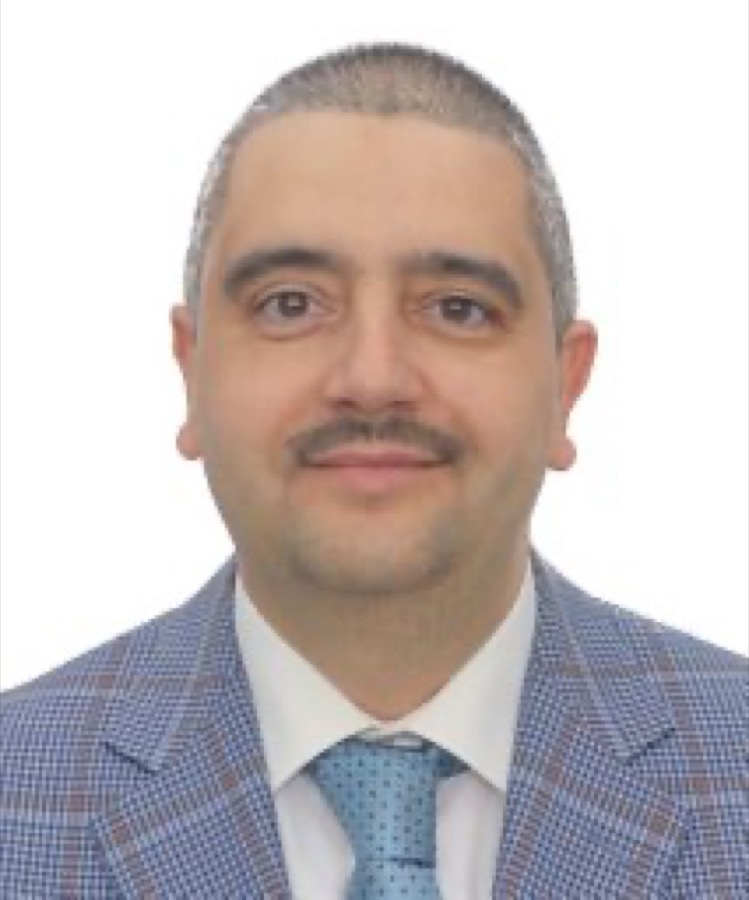
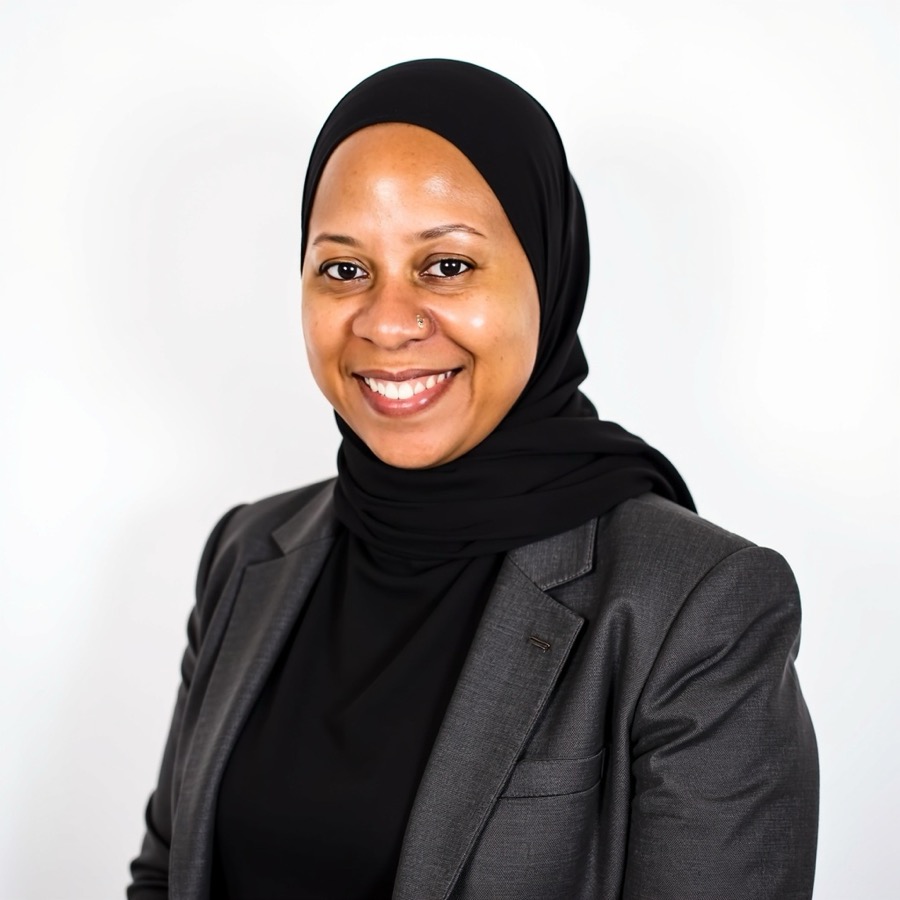
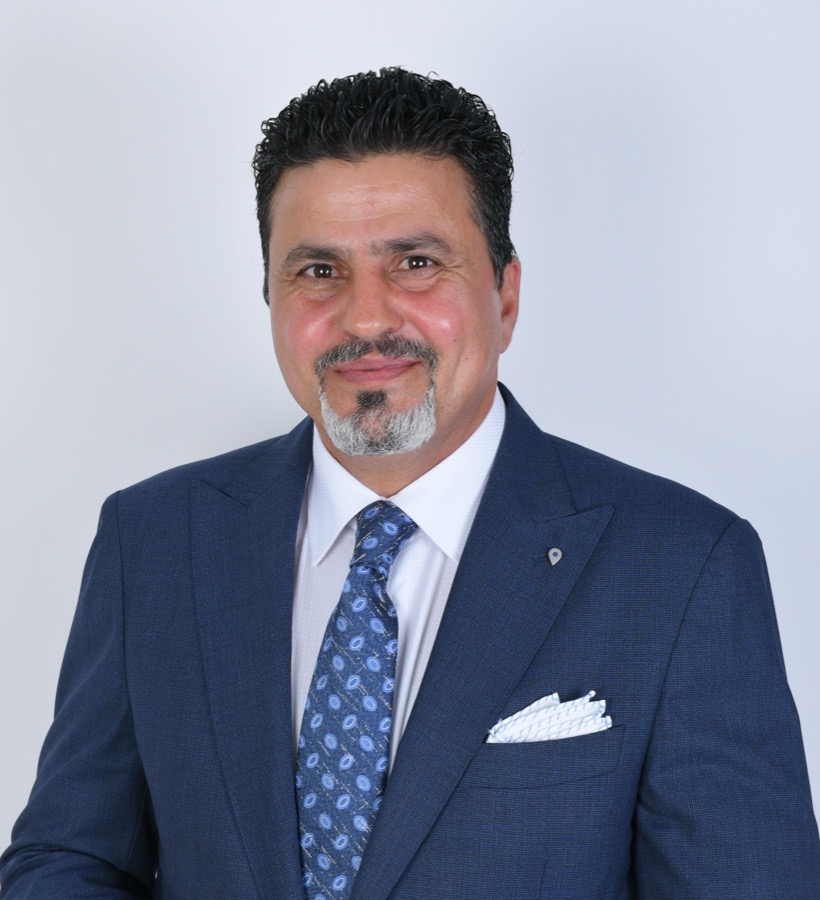
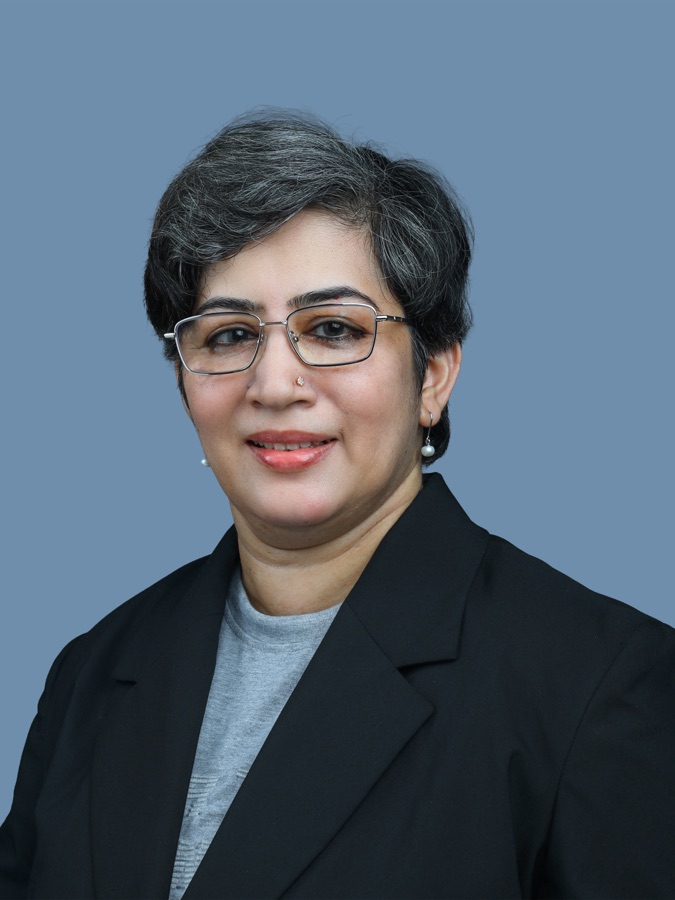
Meet your supervisors
Research and grow alongside an experienced, international panel of doctoral supervisors who guide your thesis from proposal to viva.












About Woolf University, Malta
Woolf University, Malta
Woolf is an accredited, degree-granting Higher Education Institution and is recognized within the European Higher Education Area (EHEA). There are 49 countries in the EHEA. Degrees issued in the EHEA are normally automatically recognized between all member countries, but final decisions are always made by the country, EHEA countries use a credit system called ECTS–the European Credit Transfer and Accumulation System.
The ECTS system is the most widely recognized form of accreditation in the world. Degrees with ECTS accreditation are normally automatically recognized by receiving institutions around the world, including Canada and the United States. Woolf issues degrees with ECTS accreditation.
Doctorate in Educational Leadership
Issued and conferred by Woolf University, Malta on successful completion. Specimen shown for illustration — names and dates appear on the issued certificate.
How to qualify
Eligibility
What you'll need to apply- Applicants should have several years of experience in a senior management or executive role
- A Master’s or a related EQF 7 degree
- Leadership experience and the potential to become an expert and thought leader in the education field.

How you'll learn
A flexible, mentor-led online experience — built so busy educators can upskill without a career break.
- Live & interactive lectures by expert faculty
- Recorded sessions for offline viewing
- World-class curriculum by eminent faculty
- Practical learning through seminars & workshops
- Assignments for module assessments
- Easy-to-use LMS, accessible anywhere
- Online library to further enhance your knowledge
- Real-world skills for a well-rounded experience
Where this qualification takes you
Frequently asked questions
It is a research-driven doctorate for scholar-practitioners in education. Taito's programme with Woolf University, Malta, runs in three phases — advanced research planning and methodology, research development and progress review, then thesis completion and the viva voce — taking candidates from research design to final defence.
A minimum of three years, studied fully online. The three phases are equally weighted, but the page notes that timelines are flexible and the duration of each phase can vary with the needs of your research. Intakes are on request.
The page lists several years of experience in a senior management or executive role, a Master's degree or a related EQF Level 7 qualification, and leadership experience with the potential to become an expert and thought leader in the education field. An advisor can confirm your eligibility.
The page groups the directions it is aimed at as senior educational leadership, policy and governance, professorial pathways, EdTech and innovation, mentoring and coaching, international schools, education policy, academic management and school improvement. These are areas the programme is built around rather than roles it promises; an advisor can discuss your plans.
Year one covers Advanced Research Planning and Methodology; Fundamentals of Research Methodology; Leadership and Management in Educational Settings; Leading Educational Change and Innovation; Technology and Innovation in Educational Leadership; Educational Leadership for Diversity, Equity and Inclusion; and Doctoral Thesis Writing and Research Methods. Year two is supervised research development; year three is the thesis and viva.
It is a doctorate in educational leadership, structured as a professional research degree: year one mixes research methodology with leadership, change, technology and inclusion modules before the thesis. Taito's PhD in Humanities and Social Sciences, also with Woolf, spends year one entirely on research planning, methodology, project design and research ethics.
The award is the Doctorate in Educational Leadership, issued and conferred by Woolf University, Malta, on successful completion. Taito delivers the programme online, with Woolf as the awarding university. Speak to an advisor about how the award fits your plans and how supervision is arranged.