 Awarded byUniversidad Católica San Antonio de Murcia
Doctoral Degree in Education
A research-intensive doctorate from UCAM, Spain — turning professional expertise into original research that reshapes policy and practice.
Program Overview
This is a unique program which will integrate rigorous academic and critical analyses and practical relevance and application. The Doctoral Degree in Education program is suitable for teachers as well as administrators, to develop and enhance their professional expertise and deepen their impact. It builds their expertise and confidence to become a catalyst for positive change in their institution and community at large. The course will enable students to acquire and understand a substantial body of knowledge which is at the forefront of a particular academic field or field of professional educational practices.
Students will begin to develop their abilities in conceptualizing, designing, planning, and implementing projects with the purpose of generating new knowledge and applying the new develop ideas in the field of education. Students will be led to understand how to apply research and advanced academic inquiry techniques and improve the quality of their educational profession.
This is a three-year applied Doctoral Degree in Education that will provide a firm foundation of the modern education system operations and prepare educators to solve pressing educational problems and improve learning outcomes in their organization and beyond.
Who is it for?
- Practising educators broadening their expertise
- Academic and institutional leaders
- Education professionals seeking a recognised award
- Those building a pathway to further study
What each module covers
Expand any module to read its description and intended learning outcomes.
Year 1
60CreditModule Description
The course will enhance participants’ understanding of the research process. Participants will critically explore research approaches, language, and ethics. The course will take a step-by-step approach to develop students’ knowledge, skills and understanding on design and implementation of quantitative and qualitative research designs including Cross-sectional surveys, cohort studies, Randomized Controlled Trials, operational study designs which include quasi experiments and Cluster Randomized Controlled Trials. The course will equip students with the skills necessary to conduct secondary research designs including scoping and systematic reviews. The course will also help students to develop the skills to recognize and reflect on the strengths and limitations of different research methodologies and address ethical and practical issues in research. Furthermore, the student will be equipped with the ability to methodologically review and derive meaning from published research work for application in professional practice and growth.
Learning Outcomes
At the end of the module, the students should be able to:
- LO1To identify and describe different quantitative study designs, describe the key elements and weaknesses and strengths associated with each approach, and application of quantitative research in Educational Professional Practice.
- LO2To understand Qualitative, Quantitative and Mixed Method Research approaches and their application including data collection, analysis, and reporting methods.
- LO3To understand secondary research design and application methods including Scoping and Systematic reviews approaches, and how different research designs can be combined in a mixed method study approach.
- LO4To understand the concept of research quality assurance and its application in research and ethical principles and application of validity and reliability principles in research.
Module Description
The course will lead and guide students to the in-depth understanding of the essence and purpose of critical thinking, reflective and reflexive practices, ethical issues and the current theories affecting the educational system. The students will critically analyze the Contemporary Issues in the 21st century, that will help them understand the present situation and condition of Education. This course will also consider the factors that greatly influence the entire educational system; historical, languages, organizational, political, demographic, and contemporary ideologies. They will introduce to the theory and practices of Transformative Learning and critically reflect its connection to their life as educators. The students will critically scrutinize the path of the future of education and understand the theories that greatly influence the different organizations and institutions of education.
Learning Outcomes
At the end of the module, the students should be able to:
- LO1To illustrate critical thinking as the foundation of reflective and reflexive practices in education.
- LO2To critically analyze and evaluate the different theories of education relating it to their personal and professional life as educators.
- LO3To analyze and critically reflect on the implications of Transformative Learning to the Contemporary Issues in the 21st Century and the Future of Education.
Module Description
The course will equip students with essential skills, strategies, and tools they need to unleash their fullest potential in leading instructional change and innovation within the organization effectively. Students will be also involved in a comparative analysis of effective instructional approaches and models in implementing innovation and leading organizational development. Students will build their knowledge and skills which will enable them to enhance their capacities in integrative thinking, personal strategies, and style of instructional leadership that they will apply to their current and future practices essential in leading organization.
Learning Outcomes
At the end of the module, the students should be able to:
- LO1To critically analyze different characteristics, frameworks, and styles of innovation in classroom instruction.
- LO2To evaluate effective approaches, strategies and techniques for innovation and change in instruction, assessment, and evaluation
- LO3To synthesize theories, research, and practice associated with innovation in instruction.
- LO4To create a personal instructional framework to inform future practices within educational setting
Module Description
Changes in educational technology are dramatically affecting the way students learn. This module is designed for educational practitioners who want to use theory and research to improve educational environments in order to initiate and implement change by integrating the latest technologies and instructional design principles. Students will also be involved in a comparative analysis of strategic approaches and models of implementing change and leading organizational development. With a focus on e-Learning the module will further enhance students’ understanding in the K-12/higher education, by enabling them to design and develop instruction (e-learning). This module allows students to acquire knowledge and skills in the areas of instructional systems design, learning and instructional theories, and development of e-learning and interactive multimedia learning environments using various state-of-art technology-based systems/platforms. The students will develop and lead technology-supported solutions to learning challenges in the K–12/higher education.
Learning Outcomes
At the end of the module, the students should be able to:
- LO1To critically analyze the pedagogical implications of current and emerging technology tools for enhancing learning communities.
- LO2To evaluate existing issues, trends and policies in educational technology using principles of digital and information literacy.
- LO3To evaluate various models of system change management and create innovative technological solutions to learning challenges.
- LO4To critically analyze the educational technology needs and design an intervention plan informed by ethical practices.
Module Description
The students on this course will develop a 3000-word research proposal in Leadership and Education management. The students will be guided to identify a researchable knowledge gap of their interest and analyze and synthesize the knowledge gap into a problem statement. Students will receive guidance on specific aspects of doing research including literature searching and conducting critical appraisal; referencing and application of relevant computer softwares in reference to education; framing research questions and research objectives; and application of ethical issues in Research. Students will be capacity built to develop competence in assessing and appraising evidence in published literature, determining the gaps in the evidence and developing a feasible and valid study design that they can apply in their research. Participants will further be guided to develop a full research proposal.
Learning Outcomes
At the end of the module, the students should be able to:
- LO1Identifying a relevant and suitable knowledge gap in Leadership and Education Management and develop structured research questions to address the knowledge gap.
- LO2Write a literature review to identify existing evidence and knowledge gaps associated with the research problem of interest.
- LO3Critically explore the relevance of existing theory and evidence base to research design.
- LO4Develop a well-structured research protocol/proposal with clear timelines and relevant study methods that comply with the universal principles research ethics.
- Year 2120Credit
- Dissertation Registration
- Confirmation of Supervision
- Year 3
- Dissertation
- Defense
Hear from our graduates
Educators who took this path, in their own words.
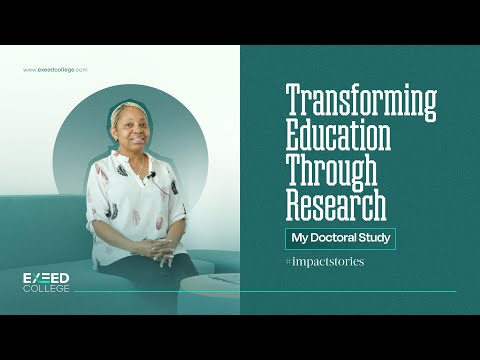 Doctorate
 Jamaica → UAE
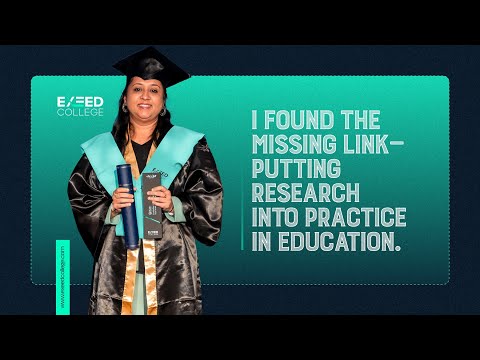 Doctorate
 Singapore
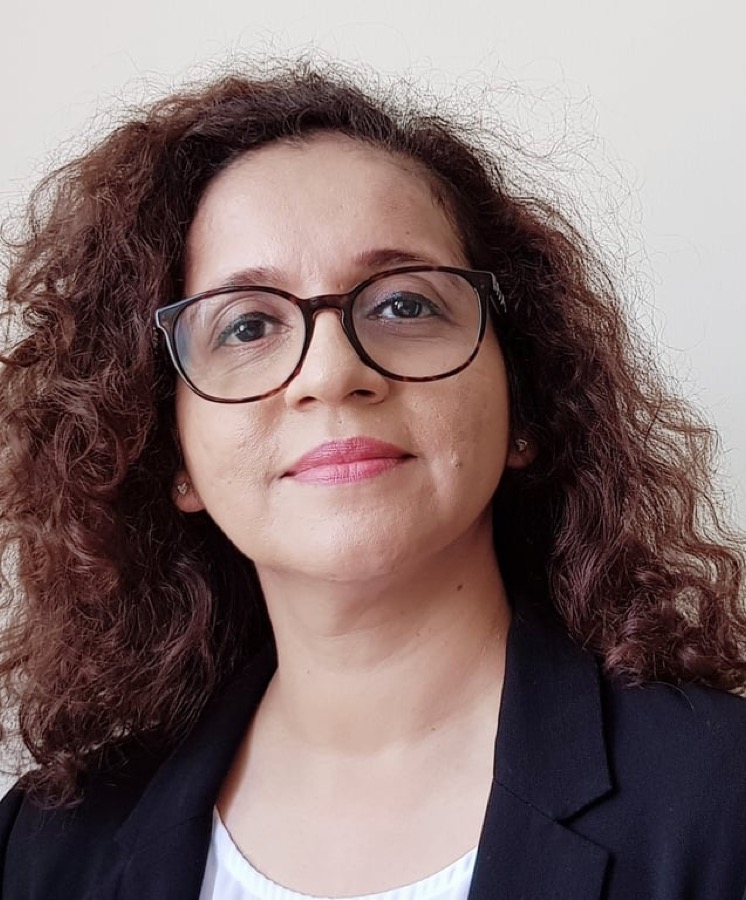
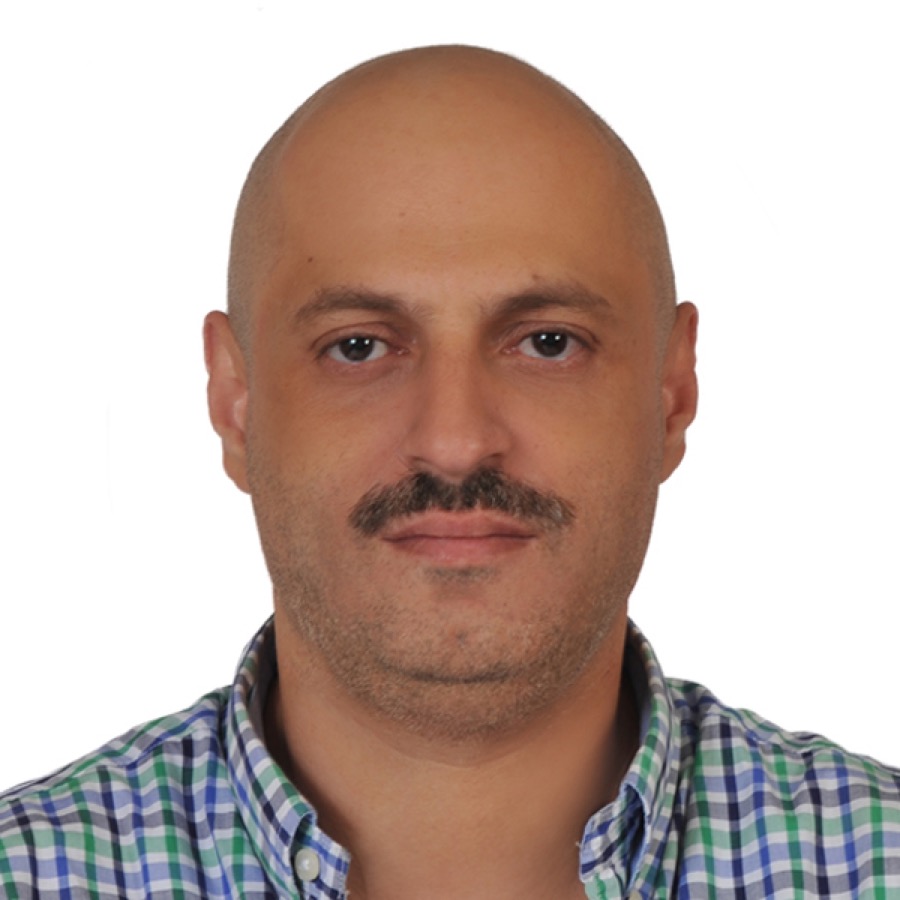
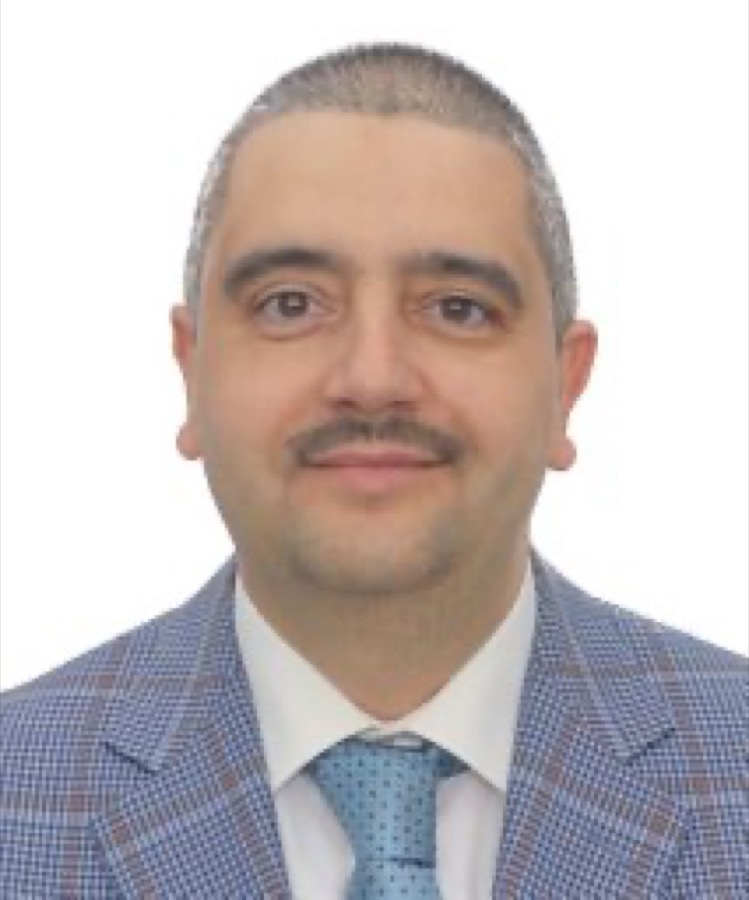
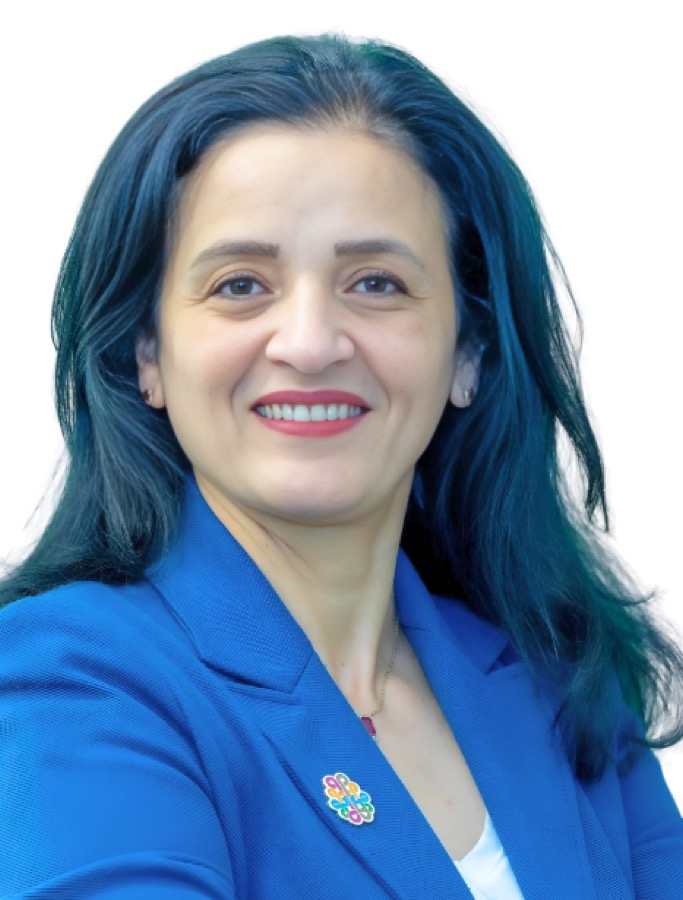
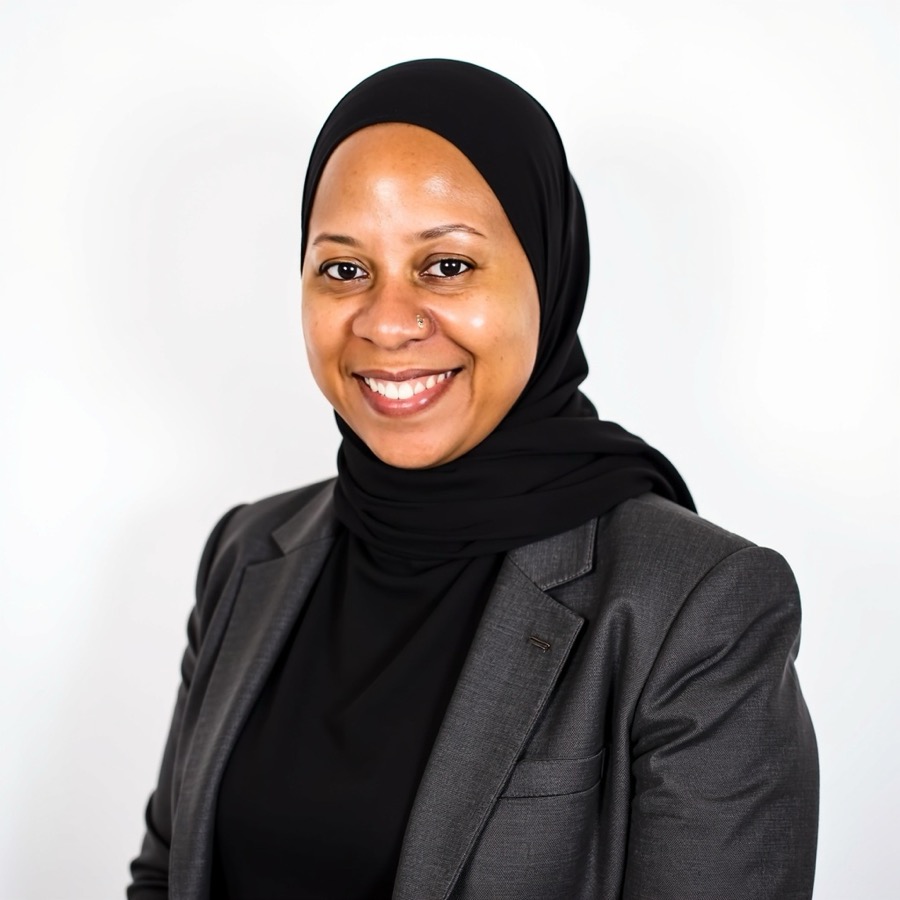
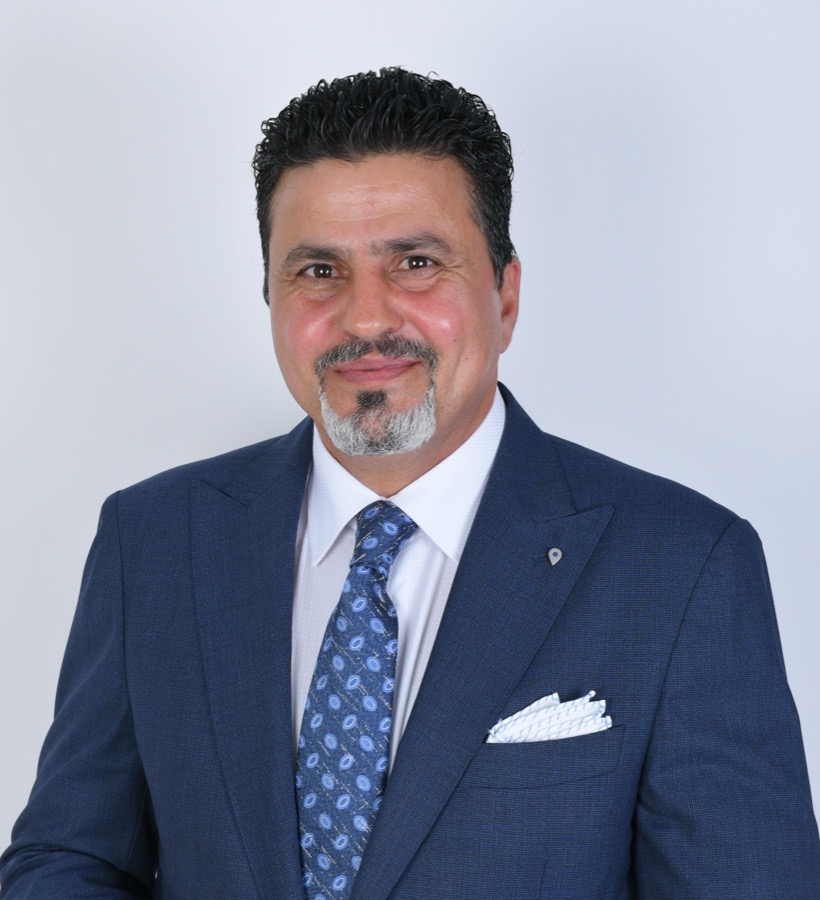
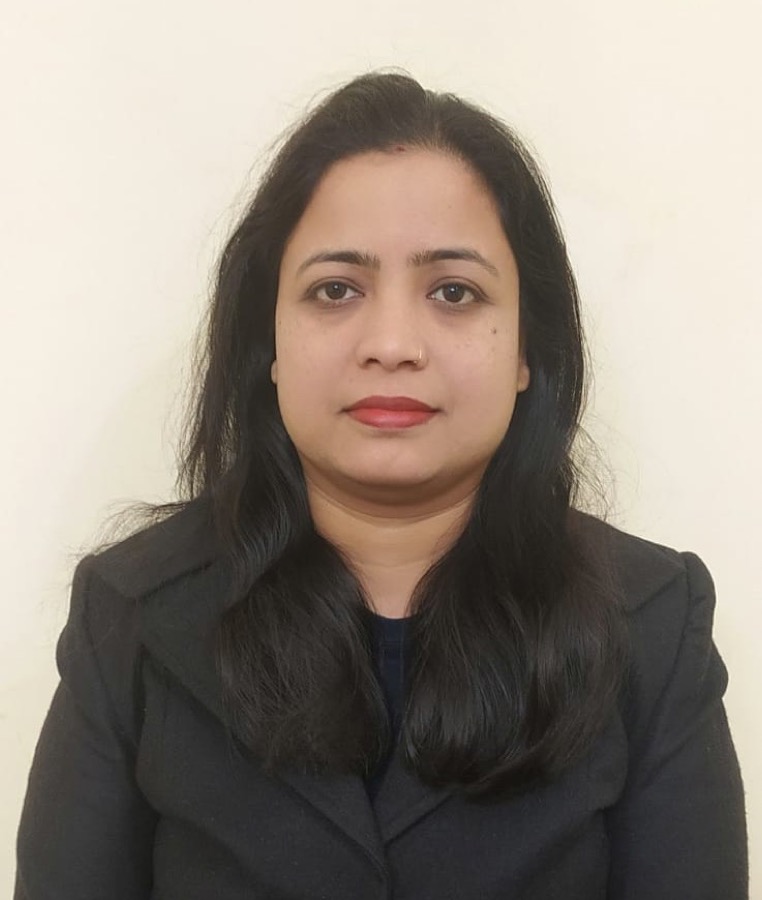
Meet your supervisors
Research and grow alongside an experienced, international panel of doctoral supervisors who guide your thesis from proposal to viva.







About Universidad Católica San Antonio de Murcia (UCAM), Spain
Universidad Católica San Antonio de Murcia (UCAM), Spain
Universidad Católica San Antonio de Murcia (UCAM), founded in 1996, is a prestigious European institution located in Murcia, Spain. Known for its academic rigor, UCAM is fully accredited and offers a wide range of high-quality programs that equip students with the knowledge and skills needed to make significant contributions to society and advance human knowledge through research and development.
The university also extends its reach through learning centers in the Middle East and Southeast Asia, furthering its mission to provide a globally relevant education. These programs are recognized not only across Europe but also globally, ensuring that UCAM graduates are well-equipped with competitive skills and have strong employability prospects.
Doctoral Degree in Education
Issued and conferred by Universidad Católica San Antonio de Murcia (UCAM), Spain on successful completion. Specimen shown for illustration — names and dates appear on the issued certificate.
How to qualify
Eligibility
What you'll need to apply- Candidates must have a Master's degree in Education or equivalent from a recognised institution.
- Candidates must have at least three years of work experience in Education management experience, at an appropriately senior level.
- English level: 6.0 IELTS or equivalent.
Documents needed
What to send with your application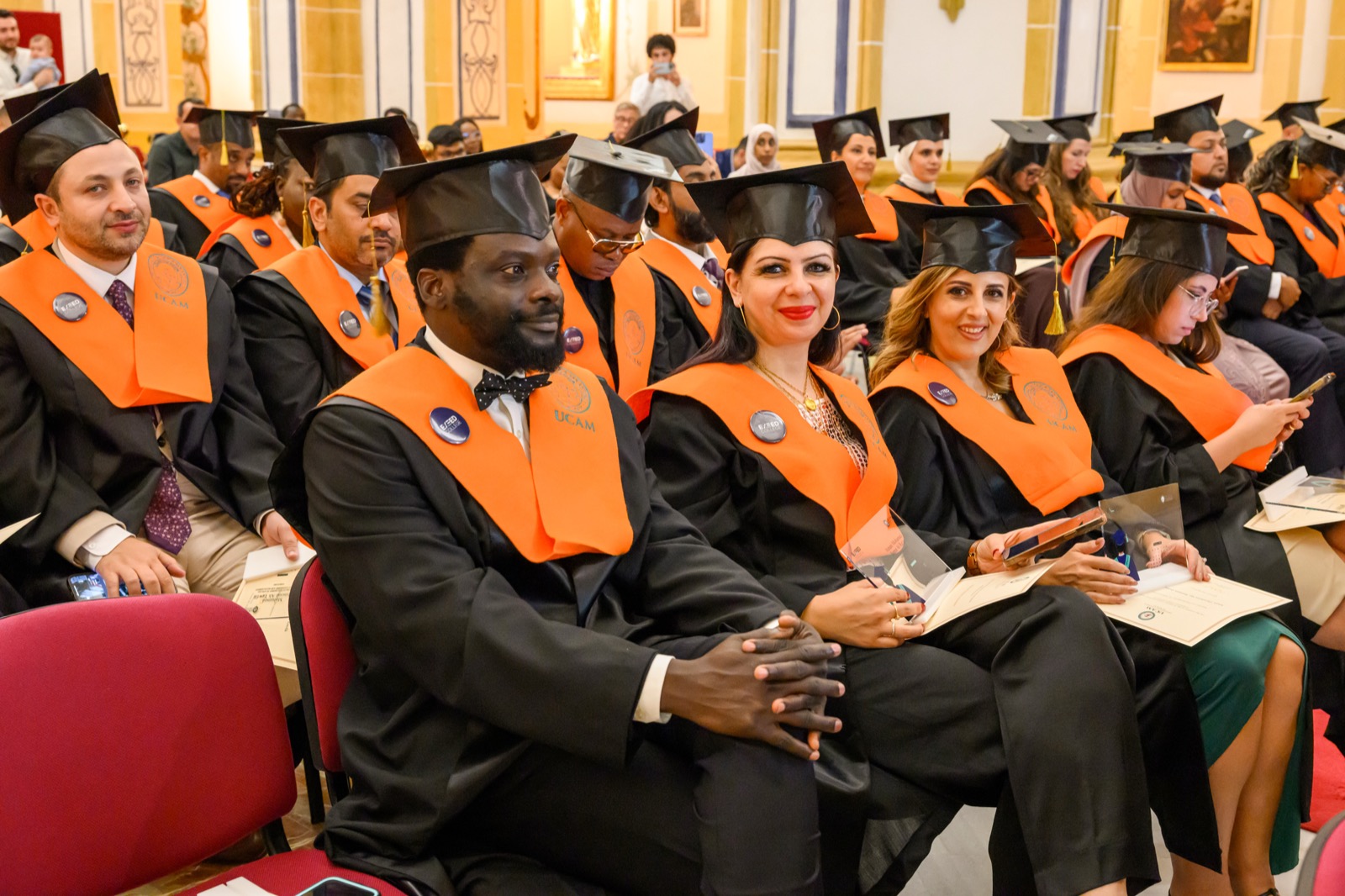
How you'll learn
A flexible, mentor-led online experience — built so busy educators can upskill without a career break.
- Live & interactive lectures by expert faculty
- Recorded sessions for offline viewing
- World-class curriculum by eminent faculty
- Practical learning through seminars & workshops
- Assignments for module assessments
- Easy-to-use LMS, accessible anywhere
- Online library to further enhance your knowledge
- Real-world skills for a well-rounded experience
Where this qualification takes you
Frequently asked questions
It is a doctoral qualification that combines academic research training with professional practice. Taito's Doctoral Degree in Education is a three-year applied doctorate from UCAM, Spain, built for teachers, administrators and institutional leaders who want to research a problem in their own setting and generate new knowledge in education.
Three years, studied fully online. Year one carries 60 credits of taught modules, year two carries 120 credits covering dissertation registration and confirmation of supervision, and year three is given to the dissertation and defence. The programme totals 180 credits, and intakes are on request.
You need a Master's degree in Education or equivalent from a recognised institution, at least three years of work experience in education management at an appropriately senior level, and English at IELTS 6.0 or equivalent. Applications also ask for academic documents, a CV, a passport copy and a photograph.
It is a difference of structure. The page describes this UCAM route as an applied doctorate: you take taught modules in research methods, critical practice, leading change and educational technology, then write a dissertation rooted in professional practice. Taito's PhD in Humanities and Social Sciences is built around independent original research from the start.
Year one has five modules worth 60 credits in total: Introduction to Educational Research Method; Critical Thinking: Reflective and Reflexive Practice; Leading Change and Innovation; Educational Technology and Organisational Development; and the Doctoral Research Proposal. Years two and three cover dissertation registration, confirmation of supervision, the dissertation and the defence.
Delivery is fully online. You get live and interactive lectures from faculty, recorded sessions to view offline, seminars and workshops, assignments for module assessments, an online library and an LMS you can reach from anywhere. A panel of doctoral supervisors guides your thesis from proposal through to viva.
The award is the Doctoral Degree in Education, issued and conferred by Universidad Católica San Antonio de Murcia (UCAM), Spain, on successful completion. Taito delivers the programme online, with UCAM as the awarding university. Speak to an advisor about how the award fits your plans.