 Awarded byUniversidad Católica San Antonio de Murcia
Master's Degree in Education
A one-year Master's in Education from UCAM, Spain — research-led, practice-focused, and a direct pathway to doctoral study.
Program Overview
The Master’s Degree in Education is a respected postgraduate qualification, enabling you to specialize academically in education or further your career in education, another career of your choice. The course is open to teachers, educators, and trainers in schools, higher education institutions, or any learning organization in core areas of philosophy, sociology, management, curriculum, psychology, instructional technology, and evaluation.
The Master of Education or M.Ed programme aims to provide a critical and analytical framework for students to engage with academic concepts, theories, debates and research in the multidisciplinary study of education in the globalised world. To equip students with a critical awareness of key theoretical debates and issues, enabling them to develop a critical understanding, evaluation and ethical position in relation to education and social justice issues. To provide a range of learning activities and experiences as a critical context for intellectual development enabling students to critically engage with research in a way that is applicable and relevant to their own academic and practice context.
- Current educational concepts and theories in Educational Foundations and Specialization areas.
- Designing and developing curricula and instructional skills in schools and higher institutions using innovative strategies, methods and techniques in accordance with current needs.
- Designing and conducting action research and applying problem-based learning in classroom teaching.
- 21st-century learning using innovative instructional methods, technologies and new media.
Who is it for?
- Practising educators broadening their expertise
- Academic and institutional leaders
- Education professionals seeking a recognised award
- Those building a pathway to further study
What each module covers
Expand any module to read its description and intended learning outcomes.
Module Description
The module aims to provide a critical perspective of the current state of education - transitioning from traditional architecture and practices to new ecologies of teaching and learning. The students will critically analyze various pedagogical paradigms didactic, authentic, and transformative learning in context to their own teaching philosophy and professional practice. The students will critically examine the sources and use of power within educational settings and investigate pedagogies for empowerment and transformation.
Learning Outcomes
At the end of the module, the students should be able to:
- LO1Critically analyze the impact of contemporary social transformations on teaching and learning including in the areas of technology, media, globalization, diversity, changing learner needs, and sensibilities.
- LO2Critically evaluate and develop rapport-building techniques to enhance a positive, supportive, and inclusive learning environment.
- LO3Critically review principles and processes involved in developing a teaching philosophy and create a digital teaching portfolio.
- LO4Investigate backward design framework, and traditional and non-traditional teaching strategies to plan transformative learning experiences by incorporating active learning methods in lesson planning.
Module Description
In this module, students are introduced to the teacher leadership concept and the value it holds in the educational field. In the wake of current educational challenges students will learn the critical importance of expanding their knowledge of educational research and theory to guide leadership decisions. They will explore and critically evaluate significant research and best practices in the fields of instructional leadership (e.g., learning theory, school climate and culture, effective teaching methods, professional development, and the relationship of instruction, curriculum, and assessment). To make a positive change in their learning community and cultivate the attributes and attitudes of a teacher leader, students will also engage in personal assessment and analysis.
Learning Outcomes
At the end of the module, the students should be able to:
- LO1Critically analyzes research and theories on instructional leadership.
- LO2Critically evaluates principles and strategies for content evaluation, instructional approaches, and assessments within instructional leadership.
- LO3Conduct a critical self-analysis informed by the theories and best practices of instructional leadership.
Module Description
This module will help the students to understand the process and effective way of critical reflection as a tool that they will use in their present and future practices. The students will be introduced to different theories, philosophies, and practices of critical reflection. Through discussions on different theories and philosophies, students will be encouraged to critically evaluate the existing frameworks of critical reflective practice. They will question all their beliefs, principles, and practices to align it to the current challenges of the educational system.
Learning Outcomes
At the end of the module, the students should be able to:
- LO1Critically understand the process and ways of critical reflective practice.
- LO2Evaluate the different theories and philosophies of critical reflection.
- LO3Synthesize different frameworks of critically reflective practice and analyze their application in your practice with a view to improving it.
Module Description
The aim of this module is to introduce learners to the concept and process of educational research and methodology. In this module, learners will find and read research material (primary and secondary sources) at the forefront of their field of study or discipline area by conducting a systematic and critical literature review. Learners will also critically analyze, evaluate, and effectively communicate findings, theories, and methods after conducting the research. They will follow academic convention when presenting findings and ideas, citing the sources using Harvard referencing system.
Learning Outcomes
At the end of the module, the students should be able to:
- LO1Understand and define the main characteristics and principles of educational research.
- LO2Source, appraise and critically evaluate academic literature at the forefront of the field of study.
- LO3Understand, apply, and criticize the main research methods applied in educational research.
- LO4Synthesize theory and research associated with the discipline area.
Module Description
This module will introduce students to the concepts, theories and philosophies of curriculum design and technology. The students will critically discuss and analyze philosophical bases and types of curriculum relating them to their own practice as educators. The module will also emphasize upon stages and models of curriculum design from a theoretical perspective followed by their application in educational practice. The students will critically evaluate the contextual factors affecting curriculum design and technology. As part of curriculum development, the module will equip students with knowledge and skills in the development of instructional strategies and assessment methods.
Learning Outcomes
At the end of the module, the students should be able to:
- LO1Define and critically discuss the concepts, theories, and philosophies of curriculum design.
- LO2Identify and critically analyze stages, models, and frameworks of curriculum design and technology.
- LO3Critically evaluate the application of innovative instructional strategies in curriculum planning in your professional educational practice.
- LO4Evidence planning and delivery of curriculum and assessment, integrating technological tools, and synthesizing relevant theories, models, and policies.
Module Description
This module is intended to enhance learners’ knowledge and understanding of research approaches in education to develop an empirical evidence base for the analysis of theory and practice and the application of research methodologies appropriate to the nature of the identified area. Learners will be guided on specific aspects of conducting research. Learners will build competence in assessing and appraising evidence in published literature, determine gaps in the evidence and develop a feasible and valid study design to plan and construct a research proposal.
Learning Outcomes
At the end of the module, the students should be able to:
- LO1Identify a relevant and researchable knowledge gap in educational practice and develop structured research questions, aim and objectives.
- LO2Write a critical literature review to appraise the existing evidence and knowledge gap associated with the research problem of interest.
- LO3Critically explore the relevance of existing theory and evidence base to research design.
- LO4Undertake a well-structured research with clear timelines and relevant study methods that comply with the universal principles of research ethics.
Hear from our graduates
Educators who took this path, in their own words.
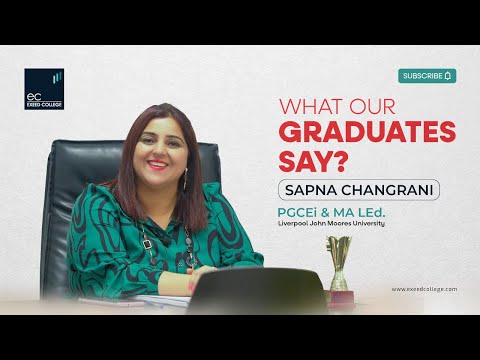 PGCEI
PGCEI India → UAE
 Master's
 South Africa → UAE
 Master'sIndia → UAE
Meet your faculty
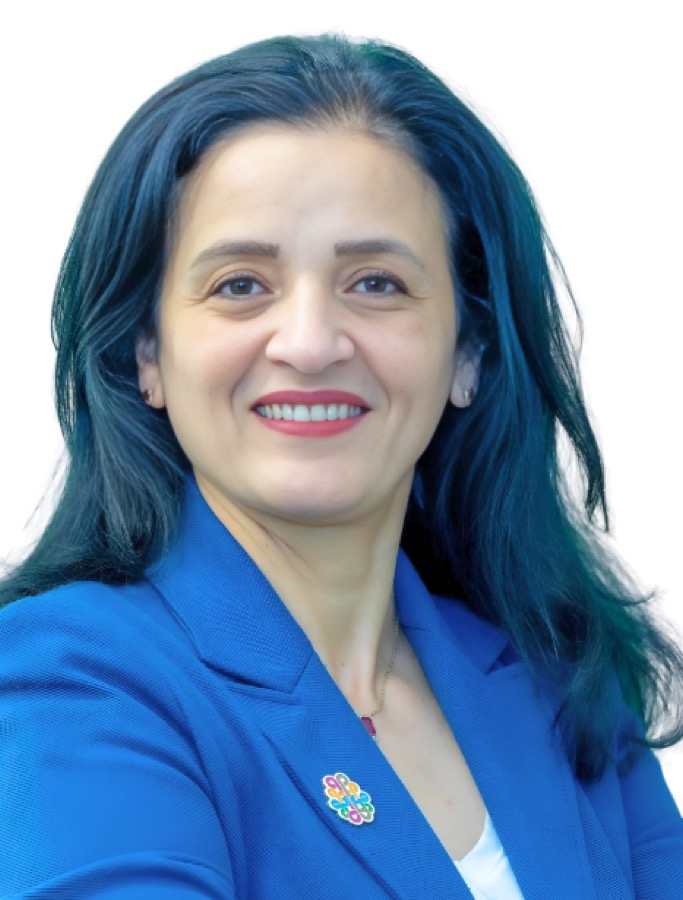
Learn from an experienced, international faculty of practitioner-scholars.

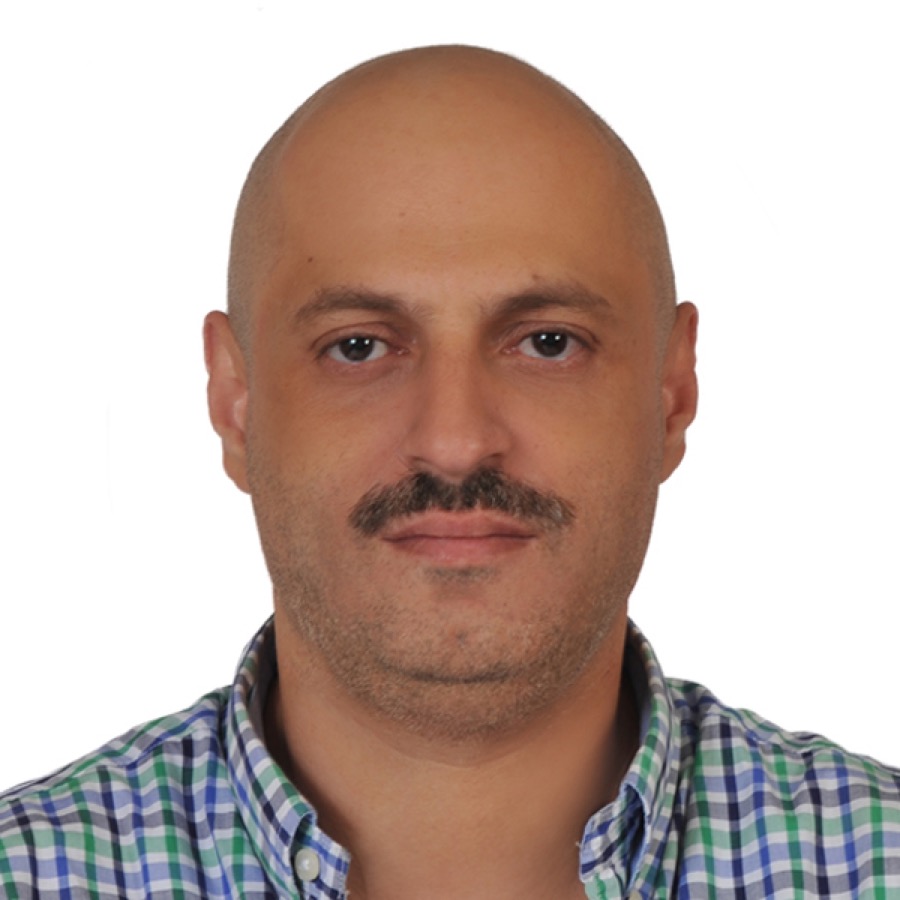
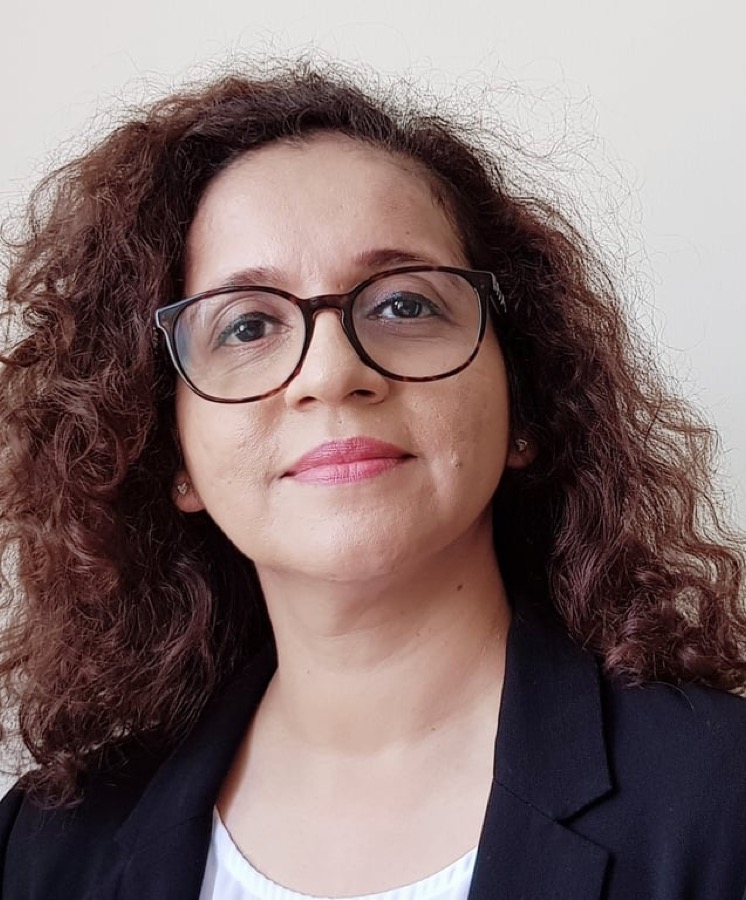


About Universidad Católica San Antonio de Murcia (UCAM), Spain
Universidad Católica San Antonio de Murcia (UCAM), Spain
Universidad Católica de Murcia, UCAM, is one of the fastest growing universities in the European region. Based out of Murcia, Spain, with learning centres in the UAE, Indonesia and Singapore, UCAM offers more than 163 courses, including business administration, health care, computer science, sports management and engineering. The university has strategic partnership with more than 360 international universities, including Stanford University, National University of Singapore and National Technological University. UCAM is also a member of Erasmus Mundus and Universia. The UCAM E-MBA program is ranked among the top 10 in the region and the university currently has over 21000 active learners. UCAM accredits and awards MBA program in General Management, MBA in Business Analytics, MBA in Operations and Project Management, MBA in Health and Safety Leadership, MBA in Global Banking and Finance, MBA in Agile Supply Chain Management, MBA in Global Healthcare Management, MBA in Energy and Sustainability, MBA in Accounting and Finance and MBA in Marketing Management.
Master's Degree in Education
Issued and conferred by Universidad Católica San Antonio de Murcia (UCAM), Spain on successful completion. Specimen shown for illustration — names and dates appear on the issued certificate.
How to qualify
Eligibility
What you'll need to apply- Minimum of Bachelor or equivalent overseas qualification.
- Applicants for whom English is not their native language, nor the medium of instruction of their first degree in approved contexts, must have achieved a British Council IELTS
Documents needed
What to send with your application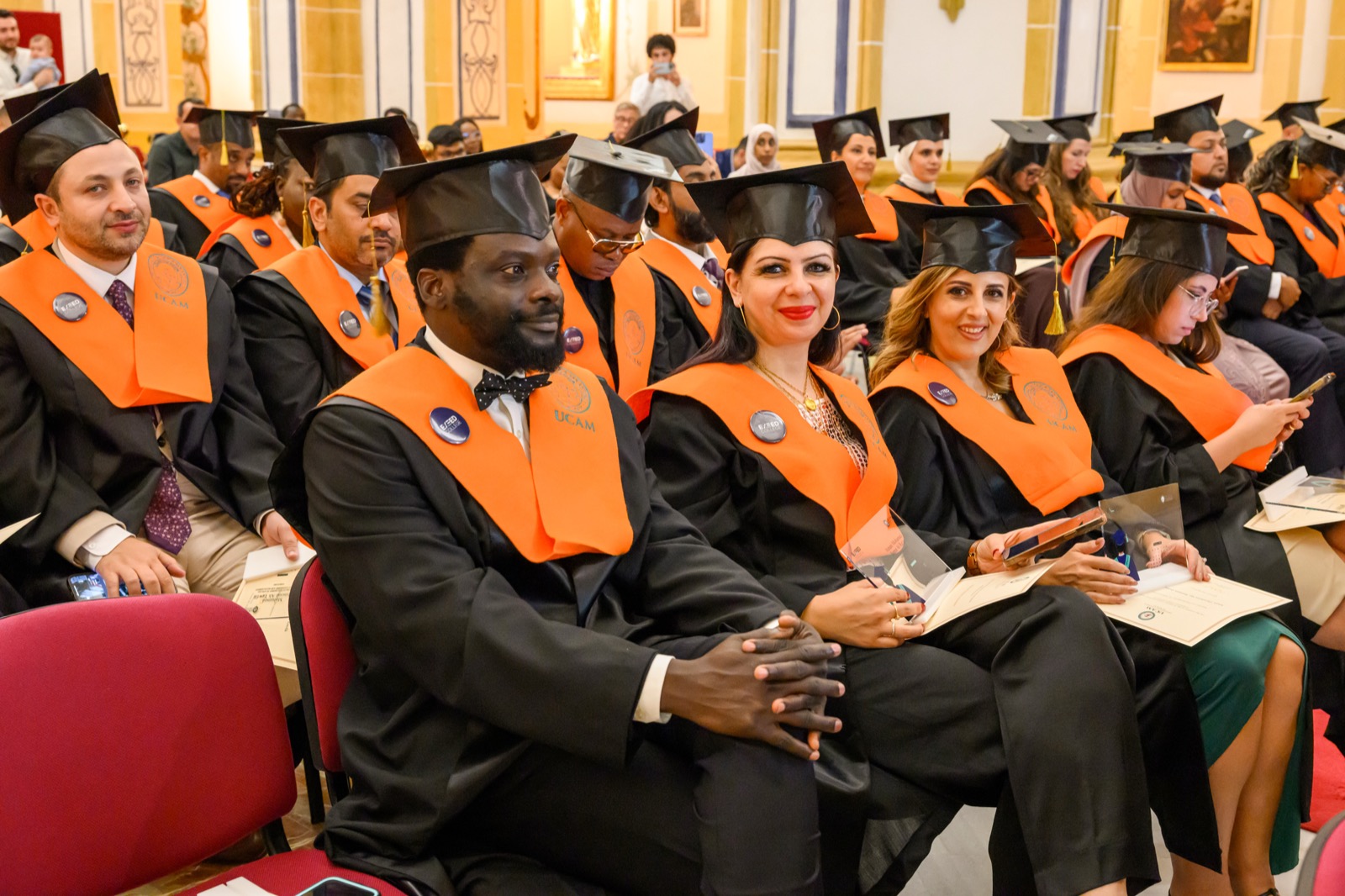
How you'll learn
A flexible, mentor-led online experience — built so busy educators can upskill without a career break.
- Live & interactive lectures by expert faculty
- Recorded sessions for offline viewing
- World-class curriculum by eminent faculty
- Practical learning through seminars & workshops
- Assignments for module assessments
- Easy-to-use LMS, accessible anywhere
- Online library to further enhance your knowledge
- Real-world skills for a well-rounded experience
Where this qualification takes you
Continue your journey
Lead reform and policy with research-driven doctoral study.
 Spain
SpainLead reform and policy with research-driven doctoral study.
SpainLead reform and policy with research-driven doctoral study.
 Spain
SpainFrequently asked questions
It is a postgraduate qualification in the multidisciplinary study of education. This one-year programme is open to teachers, educators and trainers in schools, higher education institutions or any learning organisation, and covers philosophy, sociology, management, curriculum, psychology, instructional technology and evaluation. It carries 60 ECTS credits.
One year, fully online. Teaching runs through live interactive lectures with faculty, recorded sessions for offline viewing, seminars and workshops, assignments for module assessments, an online library and a learning management system you can reach from anywhere. Advisors confirm intake dates when you apply.
A bachelor's degree as a minimum, or an overseas qualification at the same level. Applicants whose first language is not English, and whose first degree was not taught in English in approved contexts, must have a British Council IELTS result. Documents include transcripts, a resume, a statement of purpose and an employment letter.
Six modules making 60 ECTS: transformative learning (10), instructional leadership (10), critical reflection in educational practice (10), introduction to educational research (8), curriculum design and technology (7) and research methods (15). The research strand takes you from a literature review to a structured, ethically sound study.
The page describes the programme as a pathway to doctoral study and lists a pathway to a doctorate among the areas it leads to. Two of its modules, introduction to educational research and research methods, are built around designing and conducting a study. Admission to any doctorate is decided by that programme, so speak to an advisor.
Universidad Católica San Antonio de Murcia (UCAM), Spain. The award, titled Master's Degree in Education and worth 60 ECTS, is issued and conferred by the university on successful completion. Taito delivers the programme online. Speak to an advisor about how it fits your plans.